


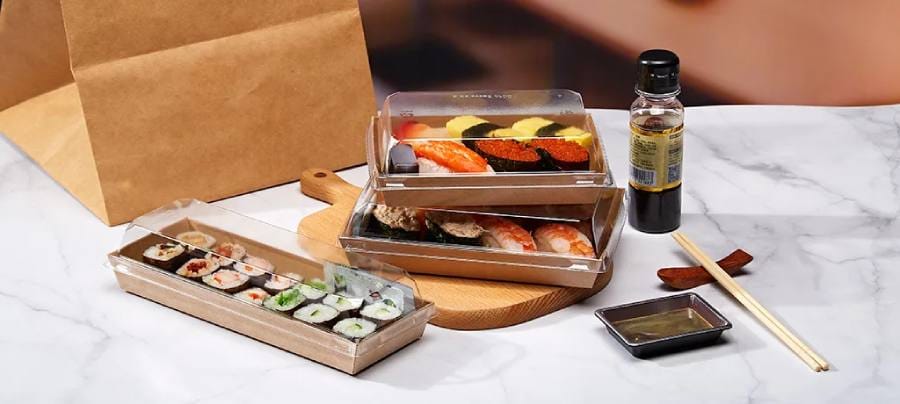
As awareness of environmental issues continues to grow, consumers are paying more attention to sustainability when making purchasing decisions and leaning toward businesses that take environmental responsibility seriously.
This is why we have been promoting kraft paper as a versatile packaging material. In this article, we break down how it is made, what makes it an eco-friendly choice, and why it performs better than standard paper for food packaging.
How Kraft Paper Is Made
Kraft paper food boxes are made from a specially processed kraft paper designed for food contact. Below is a general overview of how this material is produced.
1. Pulping
The first step is turning wood chips or recycled paper fibers into pulp. For food packaging, only virgin or recycled pulp that meets food safety standards is used.
2. Cooking
The pulp is cooked to separate the fibers and produce a denser, more durable sheet of paper.
3. Bleaching
After cooking, the pulp is washed and bleached to remove residual impurities and brighten the paper. Some products skip this step, keeping the natural color of the lignin and cutting down on chemical use in the process.
4. Forming
The pulp is spread onto a moving mesh screen or drum to form sheets, with excess water draining away as the fibers begin to bond together.
5. Drying and Processing
The sheets are dried and cut to size, then coated as needed. A PE layer, for example, adds oil and moisture resistance for food packaging applications.
6. Food Safety Certification
Finished products must pass standards such as FDA and LFGB certification, confirming that materials in direct contact with food do not release harmful substances.
7. Box Manufacturing
The kraft paper is folded and bonded into the final takeout box shape.
Performance and Characteristics of Kraft Paper
1. Environmental Credentials
Kraft paper is made from sustainable and renewable wood pulp, carries a lower carbon footprint than most alternative packaging materials, and contains no toxic substances, making it safe for food contact. Traditional PE coatings do make kraft paper harder to recycle, which is part of why the industry has been moving toward PLA biodegradable coatings and water-based oil-resistant alternatives.
2. Strength and Durability
Kraft paper has high tear resistance and holds its shape under load, so even heavier meals can be packed without the box giving way during delivery.
3. PE Coating
With a PE coating applied, kraft paper becomes waterproof and oil-resistant with a tougher finish, making it a practical choice for restaurant takeout where leakage is a concern. It handles temperatures from refrigerated up to 120°C, though direct microwave use is not recommended.
4. Wide Range of Food Packaging Applications
Suitable for cakes, snacks, fried food, burgers, sandwiches, salads, sushi, stir-fried noodles, fried rice, and most other takeout formats.
5. Customizability
Kraft paper can be customized through printing, embossing, or labeling, so food brands can put their visual identity on the packaging without a separate design budget.
6. Cost-Effective
Compared to plastic and other packaging alternatives, kraft paper tends to cost less, making it easier for businesses to move toward more sustainable materials without a significant jump in packaging spend.
Brand Image Benefits of Kraft Paper
1. A Warmer, More Handcrafted Feel
The natural brown tone of kraft paper gives a rustic, warm impression that suits food brands built around local cuisine, traditional dishes, or handmade preparation. The opaque material also hides any presentation wear from transit, so customers get a better first look when they open the box, something transparent plastic containers do not offer.
2. Better for Photos in the Age of Social Media
Packaging appearance has a direct effect on whether customers bother to take a photo. Kraft paper’s matte, non-reflective surface cuts down on glare and keeps the focus on the food, making it easier to get a clean shot and putting the brand in front of more people in the process.
Future Trends in Kraft Paper Packaging
1. Moving from PE Coating to Plant-Based Alternatives (PLA / Water-Based Coatings)
While PE coatings do a solid job of repelling oil and moisture, the industry has been shifting toward PLA biodegradable coatings derived from plant sources like cornstarch, as well as water-based oil-resistant coatings. These allow kraft paper takeout boxes to be not just recyclable but fully compostable under the right conditions.
2. The Rise of Unbleached Natural Kraft Paper
Unbleached kraft paper retains the natural color of the lignin and reduces both carbon footprint and chemical use during production. Its raw fiber texture has also been gaining traction with consumers in recent years.
3. FSC Certification and Why It Matters
FSC (Forest Stewardship Council) certification confirms that the wood pulp used in kraft paper comes from responsibly managed forests, with a traceable supply chain and protected resources. This has become a more common requirement among buyers in European and North American markets, and is worth looking into for businesses planning to expand into export markets.
Choosing packaging materials is no longer just a cost decision. It also reflects where a business stands on sustainability and how it wants to be seen by its customers. Kraft paper’s physical strength, customization options, and lower environmental impact make it a practical alternative to plastic and foam packaging.
Whether you run a fast food outlet, a café, or a long-established local restaurant chain, switching to kraft paper packaging protects your food during delivery and shows customers where your brand stands. Contact the EasyPack team to request a sample, or browse our kraft paper food packaging directly.