

As food safety regulations tighten and buyers face growing pressure to source sustainable packaging, decisions around materials, compliance, and supplier selection have become more complex. The articles below cover kraft paper containers, EU PPWR and PFAS requirements, cost comparisons, and sourcing considerations for importers, distributors, and foodservice buyers.

Food Container Buying Guide: Kraft Paper, Plant Fiber, and Plastic Compared

Food Container Buying Guide: Kraft Paper, Plant Fiber, and Plastic Compared

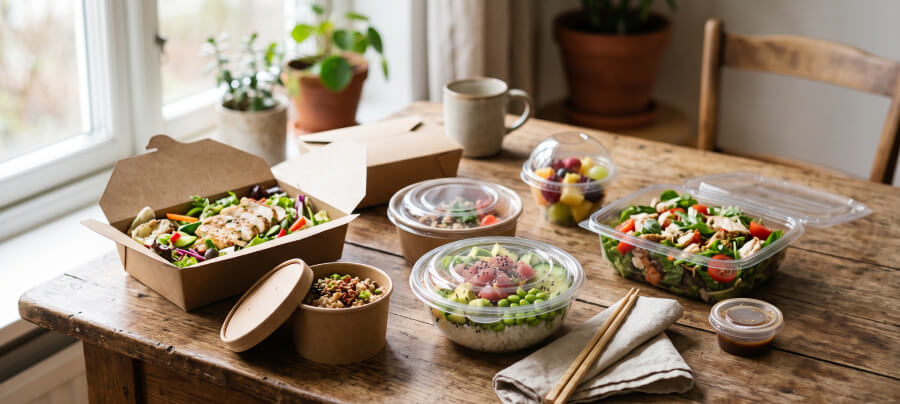
This guide lays out a three-material comparison matrix covering kraft paper, plant fiber, and plastic across raw material, heat resistance, appearance, cost, and customization flexibility, then walks through which business situations fit each material best, plus a strategy for mixing materials across product lines. Built for buyers who are still weighing all three materials and want the full picture before digging into one.

Continue reading

Kraft Paper vs Plastic Takeout Boxes: A Full TCO Calculation for Your Purchasing Budget

Kraft Paper vs Plastic Takeout Boxes: A Full TCO Calculation for Your Purchasing Budget

This guide breaks down the cost factors that get overlooked when comparing kraft paper and plastic takeout boxes, covering unit purchase price, storage and freight cost, disposal and compliance risk cost, and the harder-to-quantify value of brand perception. It offers a TCO formula readers can apply to their own numbers, plus a worked example showing how to calculate the breakeven order volume. Built for procurement staff and restaurant operators still weighing kraft paper against plastic.

Continue reading

Food-Grade Plastic Containers: A Complete Buying Guide to PP, PET, and PS

Food-Grade Plastic Containers: A Complete Buying Guide to PP, PET, and PS

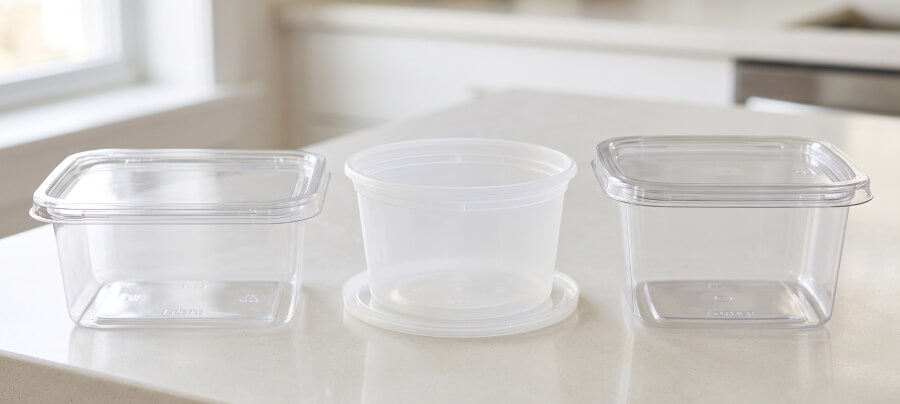
This guide breaks down the real differences between PP, PET, and PS food-grade plastic resins across heat resistance, clarity, food safety testing focus, and cost structure, plus a decision framework based on use case, budget, and regulatory market. Built for procurement staff who haven’t settled on which plastic material to use yet, so they don’t discover the wrong choice halfway through spec negotiations.

Continue reading

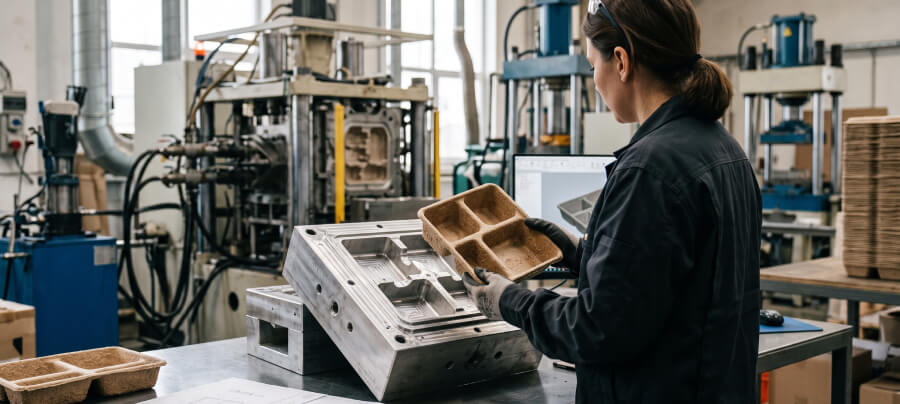
Plant Fiber Container OEM Customization: What Printing, Shape, and Sizing Options Look Like

Plant Fiber Container OEM Customization: What Printing, Shape, and Sizing Options Look Like

This guide covers the process and technical side of plant fiber container OEM customization: printing method choices, the mold-opening timeline, common revisions at the sampling stage, and how to negotiate customization options without blowing the budget. Built for a brand team or distributor who has decided to customize plant fiber containers but isn’t yet familiar with the material’s process constraints.

Continue reading

Biodegradable vs. Compostable: What's the Difference? Why Some "Eco-Friendly" Packaging Belongs in the Trash

Biodegradable vs. Compostable: What’s the Difference? Why Some “Eco-Friendly” Packaging Belongs in the Trash

This article explains the real difference between biodegradable and compostable packaging, walks through international certification standards (ASTM D6400, EN 13432, and more), breaks down the three mechanisms behind degradable claims, explains why PLA draws so much scrutiny, and covers why regions without industrial composting access are often better off putting compostable packaging in the trash. It closes with three questions buyers should ask before trusting an eco-friendly claim.

Continue reading