


Why Sustainable Packaging Matters More Than Ever
Let’s be honest, “packaging is ubiquitous”. We see it, touch it, throw it away, and discard it without a second thought.
We live in a world where convenience often comes with a cost. Every box, tray, or lid that’s made without a second thought ends up somewhere. Usually, that “somewhere” is a landfill or the ocean.
As awareness grows, the question has shifted. It’s no longer “Can we afford to be sustainable?” but “Can we afford not to be?” Every piece of non-recycled packaging has a final destination, often a landfill , incinerators or our oceans.
For manufacturers like Easypack, the path is clear. Sustainability isn’t a trend; it’s the future of the packaging industry. Through innovation, material science, and responsible design, Easypack and other sustainable packaging companies are proving that environmental care and business performance can go hand in hand.
The Role of Sustainable Packaging Companies in a Circular Economy
In a circular economy, nothing becomes waste, and that’s the challenge modern packaging is trying to meet.
Rather than producing, using, and discarding, the new goal is to create systems that reuse, recover, and renew. Companies at the forefront of this shift — like Easypack — are reimagining packaging from the inside out.
Their lineup — from pulp food containers to biodegradable sushi trays and rPET boxes, are proof that you can replace traditional plastics without compromising quality. These designs demonstrates that it’s possible to ditch traditional plastics without compromising on quality or performance.
When global giants such as McDonald’s can commit to making 100% of their packaging renewable or recycled by 2025, the writing’s on the wall: change is here to stay.
The 7 R’s That Shape Sustainable Packaging
The 7 R’s are more than environmental buzzwords. They are practical, down-to-earth guidelines that companies can use to transform the way packaging is designed, produced, and used.
Let’s break them down in an easy, real world way.
1. Rethink – Designing Smarter Packaging Solutions
Every innovation starts with a simple, powerful question: Can we do this better?
To “Rethink” is to stop following the same blueprint and imagine a smarter, lighter, more efficient solution.
This could mean using renewable materials like bagasse, kraft paper, and rPET to create packaging that is both highly functional and inherently greener. Kraft paper food boxes are one such example — durable, grease-resistant, and biodegradable.
It’s not about reinventing the wheel, just making it roll cleaner and farther.
2. Refuse – Saying No to Non-Recyclable Materials
Sometimes sustainability starts with what you don’t use.
The Refuse principle is a simple reminder about rejecting materials that harm the planet.
By choosing harmful plastics for compostable alternatives like biodegradable sushi trays and bagasse plates, Easypack helps clients drastically cut waste. These materials decompose naturally, leaving nothing harmful behind.
Refusal is the first step toward real progress.
3. Reduce – Minimizing Material Usage and Waste
Sometimes less truly is more.
Reducing means designing smarter, not smaller — using just enough material to do the job, and no more.
Material efficiency—using the absolute minimum amount of material required to do the job perfectly. It’s a balance that benefits everyone: less energy wasted, less carbon emitted, less material discarded.
Efficiency, after all, is the quiet side of sustainability.
4. Reuse – Encouraging Multi-Use Packaging Systems
Not all packaging should be used once and tossed away.
Think of compartmented containers or sturdy paper boxes — packaging that can serve more than one purpose.
Encouraging reuse extends the life of materials and reduces dependence on constant production. It’s the kind of habit that turns everyday items into part of the sustainability solution instead of the problem.
5. Recycle – Closing the Loop in Material Lifecycles
Recycling is where design meets responsibility.
If a material can’t be recycled, it doesn’t belong in tomorrow’s supply chain. Recycle is about ensuring packaging can re-enter the supply chain as a valuable resource.
That’s why sustainable packaging companies like Easypack prioritize materials such as rPET and kraft paper — reliable, recyclable, and already part of an established recovery system.
By keeping materials in circulation, we preserve resources and help move the global economy closer to circularity.
6. Recover – Turning Waste into Resources
When recycling isn’t feasible, “Recover” steps in.
This principle involves capturing the value from waste, often through composting or energy conversion. Materials like bagasse and pulp can return to the earth safely, breaking down into organic matter that nourishes soil instead of polluting it.
Recovery isn’t glamorous, but it’s powerful. It’s nature’s way of reminding us that waste, in the right system, can become renewal.
7. Replace – Shifting to Renewable, Eco-Friendly Materials
This principle may be the most urgent of all. Replace problematic materials with better ones.
To “Replace” means moving beyond plastics and petroleum — replacing them with natural, renewable, or recycled materials. Swap virgin plastics for post-consumer recycled (rPET) content or kraft paper. Exchange polystyrene for molded fiber.
This isn’t about sacrifice; it’s about upgrading to materials that are renewable, recycled, and truly sustainable.
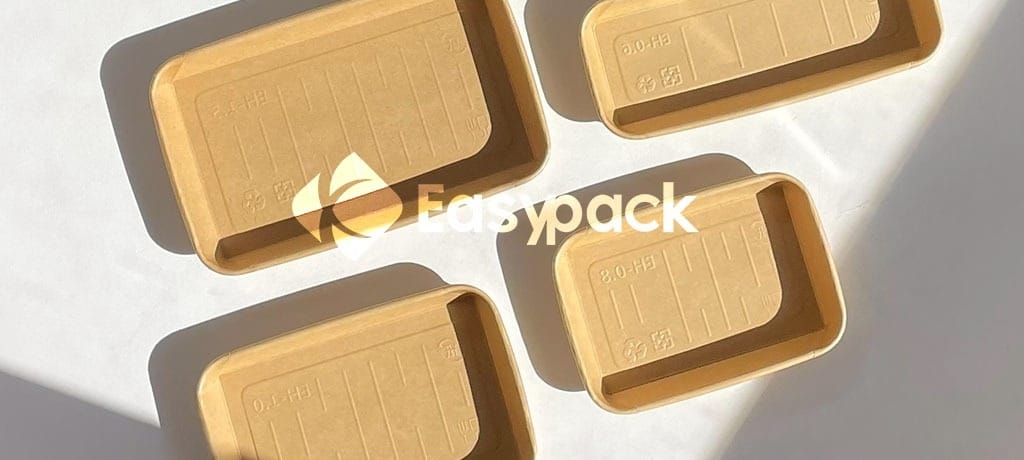
Easy Pack’s Sugarcane Bagasse Food Containers embodies this ideal. The line features paper, pulp, and sugarcane-based containers that perform beautifully without harming the planet.
Replacing doesn’t mean sacrificing quality; it means redefining it.
Global Trends Driving the 7 R’s Movement
Every year, new sustainability mandates reshape how packaging is made.
From Europe’s single-use plastic bans to Asia’s expansion of compostable infrastructure, the push for circular design is everywhere.
The global market for sustainable packaging is now worth hundreds of billions — and growing fast. The reason is simple: businesses are realizing that sustainable choices reduce costs, improve reputation, and meet the expectations of a new generation of conscious consumers.
For companies like Easypack, this isn’t about chasing a trend. It’s about building a packaging future that’s ready for what comes next.
How the 7 R’s Drive Business Value
Sustainability isn’t just about being kind to the planet; it’s about running a smarter business.
- Enhanced Brand Reputation: Today’s consumers align with brands that share their values. Sustainable packaging is a visible, tangible signal of your commitment.
- Future-Proofing: By adhering to these principles, you stay ahead of regulations and meet the demands of a conscious market.
Brands that commit to the 7 R’s benefit from lower resource costs, increased efficiency, and higher consumer trust. In a marketplace where reputation travels fast, sustainable packaging is a long-term investment in brand credibility.
From Cost Savings to Brand Trust
Customers today aren’t just buying products — they’re buying values.
Eco-friendly packaging tells them something about your brand: that you’re forward-thinking, responsible, and transparent.
Meanwhile, using lightweight or recyclable materials like rPET saves on logistics and production. The result? A smaller footprint and a stronger relationship with your customers.
That’s not just sustainability — that’s strategy.
Easy Pack: Your Partner in Sustainable Food Packaging
As a pioneer in Taiwan’s sustainable packaging industry, Easypack is your dedicated partner in this transition. We help brands reimagine their packaging with solutions that are both durable and eco-conscious.
Its offerings range from pulp and paper packaging to microwavable containers, sushi trays, and rPET boxes — all designed with durability and sustainability in mind.
Whether you’re looking for compostable products through the Sugarcane Bagasse Food Containers or recyclable designs from the Kraft Paper Food Containers, Easypack provides practical, planet-friendly solutions that align with your environmental goals.
Explore Our Green Collection
Explore the Sugarcane Bagasse Food Containers, discover our pulp, bagasse, and kraft paper packaging. Each piece is designed to minimize waste while maintaining quality and style.
Because at the end of the day, good packaging shouldn’t just protect food — it should protect the future.
Good packaging should protect your food.
Great packaging should protect your future.
Conclusion: Building a Greener Future Through the 7 R’s
The 7 R’s of sustainable packaging — Rethink, Refuse, Reduce, Reuse, Recycle, Recover, and Replace — are a practical roadmap, not a theoretical idea.
They’re an actionable roadmap for how brands can protect the planet while thriving in a changing economy.
By partnering with forward-thinking sustainable packaging companies like Easypack, you can turn your businesses intention into action — not someday, but today.
Sustainability doesn’t require perfection.
It demands intention, action, and consistency. And every package redesigned is a step closer to a greener, more responsible world.